Introduction
Standing under a proper rain shower head, with water falling evenly like warm rainfall instead of a thin, uneven spray, is one of the easiest upgrades you can make to a bathroom. But if you’ve searched for one online, you already know the choices pile up fast. Square or round? Ceiling mounted or wall mounted? Will it even work with your home’s water pressure?
This is especially tricky in Saudi homes, where water pressure varies a lot between villas, apartments, and older buildings, and where hard water from municipal and desalinated sources can clog a badly chosen shower head within months.
This guide walks you through exactly what to look for in a rain shower head for a Saudi bathroom, the real differences between wall mounted and ceiling mounted options, why “square” designs are trending right now, and how to avoid the most common buying mistakes people make before they’ve even finished installing one.
Summary
- Water pressure matters more than looks. Low pressure homes need a rain shower head designed for low flow, not a huge 12 inch model.
- A rain shower head from the wall is easier to install and better suited to most Saudi bathrooms than a ceiling mounted one.
- Square rain shower heads are the current trend in Saudi bathroom design, especially in villas and newly renovated apartments.
- Hard water is the biggest long term threat to any rain shower head in Saudi Arabia. Look for anti-lime silicone nozzles.
- Bigger isn’t always better. An oversized head on a low pressure line just means weaker, thinner water flow.
- Brass or stainless steel construction lasts far longer than chrome plated plastic in Saudi’s heat and hard water.
- Always check SASO certification and warranty terms before buying, especially online.
Why Rain Shower Heads Are So Popular in Saudi Bathrooms
Rain shower heads have moved from a luxury hotel feature to a standard upgrade in Saudi villas and apartments over the past few years. Part of this is design trends, especially the shift toward minimal, spa style bathrooms in new builds across Riyadh, Jeddah, and Dammam. Part of it is simply comfort, since a wide, even spray feels far better after a hot desert day than a narrow jet from a standard handheld head.
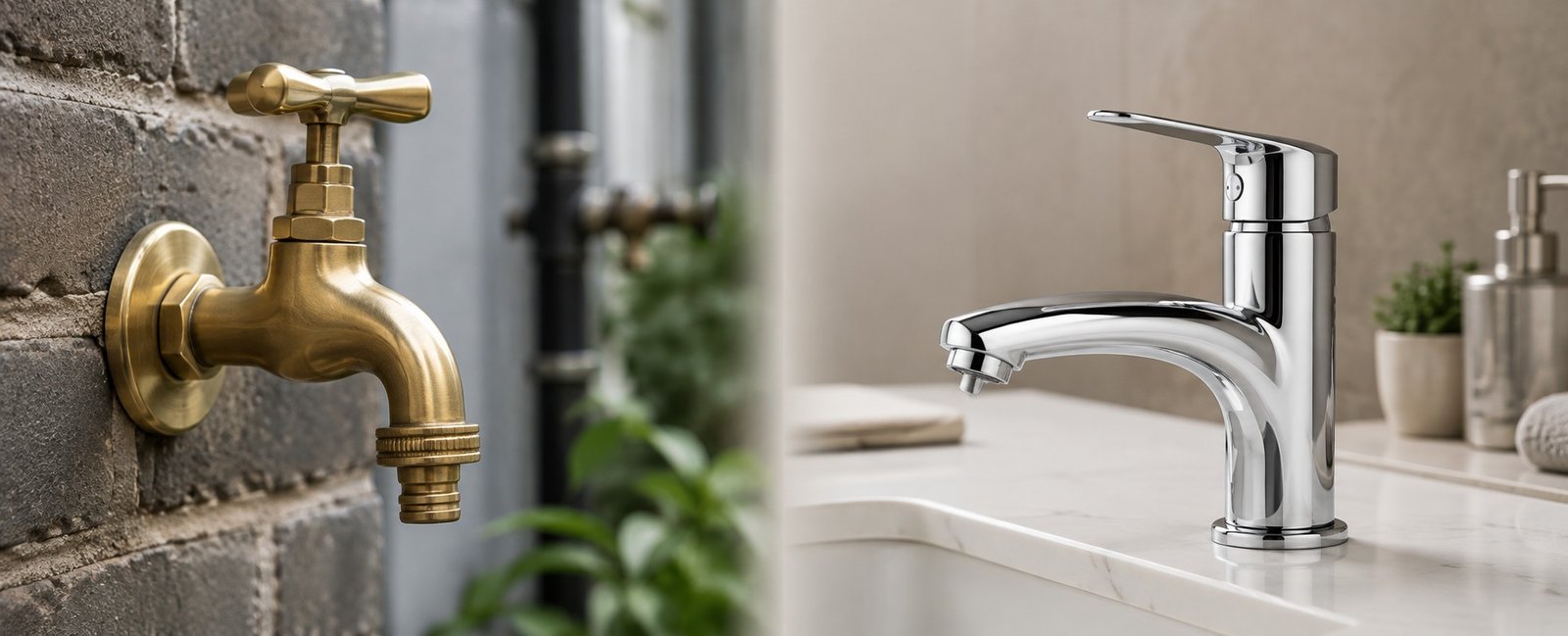
There’s also a practical side. Many newer villas are being built or renovated with concealed plumbing, which makes wall mounted and ceiling mounted rain heads easier to install cleanly than they would have been in older homes with exposed pipework. If your bathroom is being renovated from scratch, it’s worth reading our comparison of wall mounted vs. deck mounted faucets alongside this guide, since the same plumbing decisions affect both your shower and your basin or kitchen fittings.
Why it matters: Choosing the right one isn’t just about appearance. The wrong choice can mean weak water flow, constant clogging from mineral buildup, or a fitting that doesn’t match your existing plumbing at all.
Understanding Saudi Water Pressure Before You Buy
This is the step most buyers skip, and it’s the reason so many rain shower heads end up disappointing people within the first month.
Why it matters: A rain shower head spreads the same amount of water across a much wider surface than a standard shower head. If your home’s water pressure is already on the lower side, a large rain head can turn what used to feel like a decent shower into a weak drizzle.
How to check your water pressure:
- Time how long it takes to fill a 1 liter container from your current shower. Under 6 seconds is strong pressure, 6 to 10 seconds is moderate, over 10 seconds is low.
- Ask your building manager or a plumber if your home uses a booster pump, common in many villas and high rise apartments across Saudi cities.
- Check if you’re on ground floor, mid floor, or top floor water supply, since pressure often drops on higher floors without a booster pump.
Best practice: If your water pressure is moderate to low, choose a rain shower head between 8 and 10 inches with a “low pressure” or “high flow” designation from the manufacturer, rather than the largest model available.
Common mistake: Buying a 12 inch or larger rain shower head based on how it looks in photos, without checking whether the home’s plumbing can actually support it.
Wall Mounted vs. Ceiling Mounted Rain Shower Heads
Both styles deliver that wide, even rainfall effect, but they differ a lot in installation, cost, and how well they suit different bathroom layouts.
Rain Shower Head From the Wall
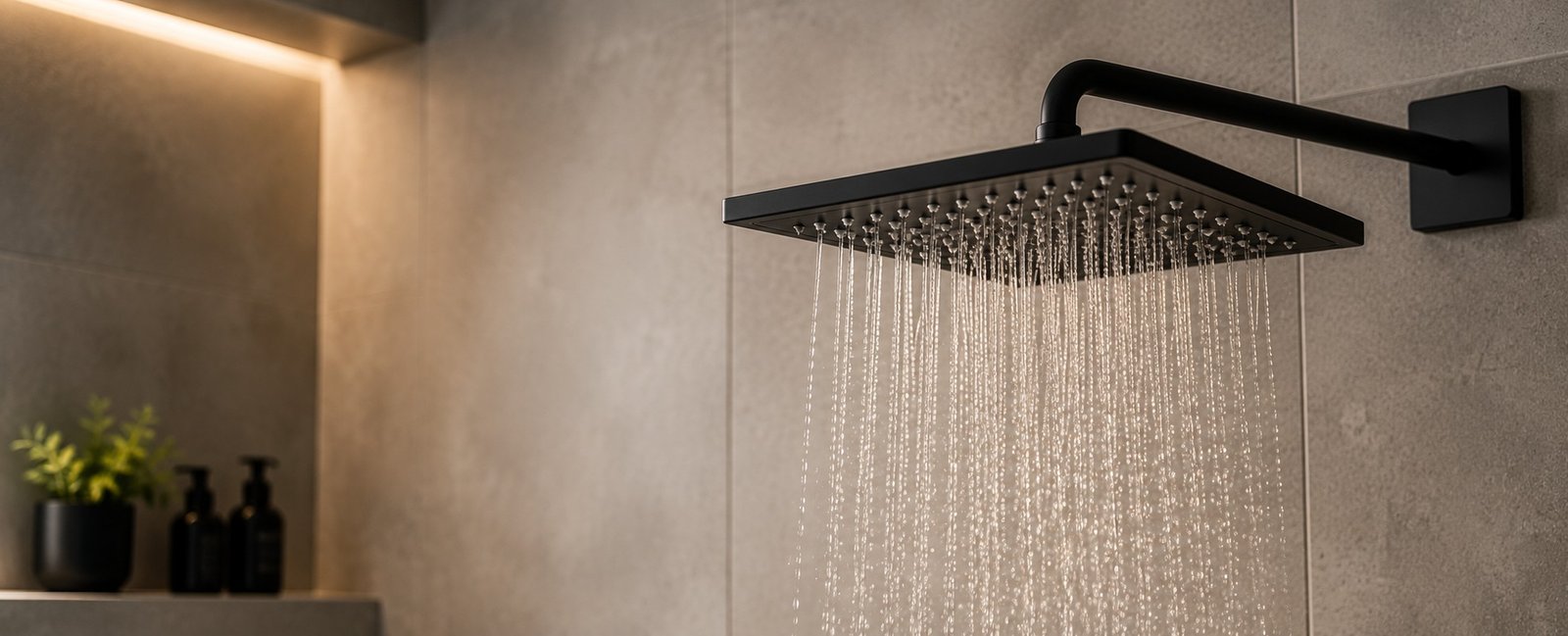
A wall mounted rain shower head connects to your existing shower wall plumbing through an extended arm, angling the head downward from the wall instead of directly overhead.
Advantages:
- Easier and cheaper to install, since it usually works with existing wall plumbing.
- No need to break into the ceiling or run new pipework above.
- A good option for renovations that don’t involve major structural changes.
Best for: Most standard Saudi apartments and villas with existing wall mounted shower plumbing, especially where a full renovation isn’t planned. Kanzotech’s single lever shower mixer range is built specifically for this kind of wall mounted setup.
Ceiling Mounted Rain Shower Head
A ceiling mounted head is installed directly into the ceiling or through a dedicated overhead arm, delivering water straight down for a true “standing in the rain” feel.
Advantages:
- The most authentic rain shower experience, with water falling straight down evenly.
- Looks more high end and is common in luxury villa bathrooms.
Disadvantages:
- Requires new plumbing routed through the ceiling, which means more labor, more cost, and often construction work.
- Harder to retrofit into an existing finished bathroom without significant renovation.
Expert insight: Contractors and MEP engineers generally recommend wall mounted rain heads for renovations of existing bathrooms, and reserve ceiling mounted installs for new builds where the plumbing can be planned from the start. Our wall mounted faucet installation guide covers what contractors typically check before committing to either approach.
Why Square Rain Shower Heads Are Trending
Square rain shower heads have become one of the most searched styles in Saudi bathroom design over the past couple of years, and there are real reasons behind the trend beyond aesthetics.
Why it matters: Square heads pair naturally with the clean, geometric look of modern Saudi villa bathrooms, which increasingly favor straight lines, matte black or brushed gold fixtures, and minimal ornamentation over the rounded, ornate styles that were common a decade ago.
Practical differences from round heads:
- Square heads often distribute water slightly more evenly across corners, though this varies by brand and nozzle design.
- They tend to sit flatter and lower profile against a wall or ceiling, which some homeowners prefer visually.
- Cleaning corners on a square head can be slightly more involved than wiping a round one, especially with hard water buildup.
Best practice: If your bathroom design already leans toward sharp lines and minimalist fixtures, a square rain shower head will match the space better than a round one, and it won’t cost significantly more for a similar size and material quality.
Materials That Actually Survive Saudi Hard Water
This is where a lot of buyers lose money by choosing based on price alone.
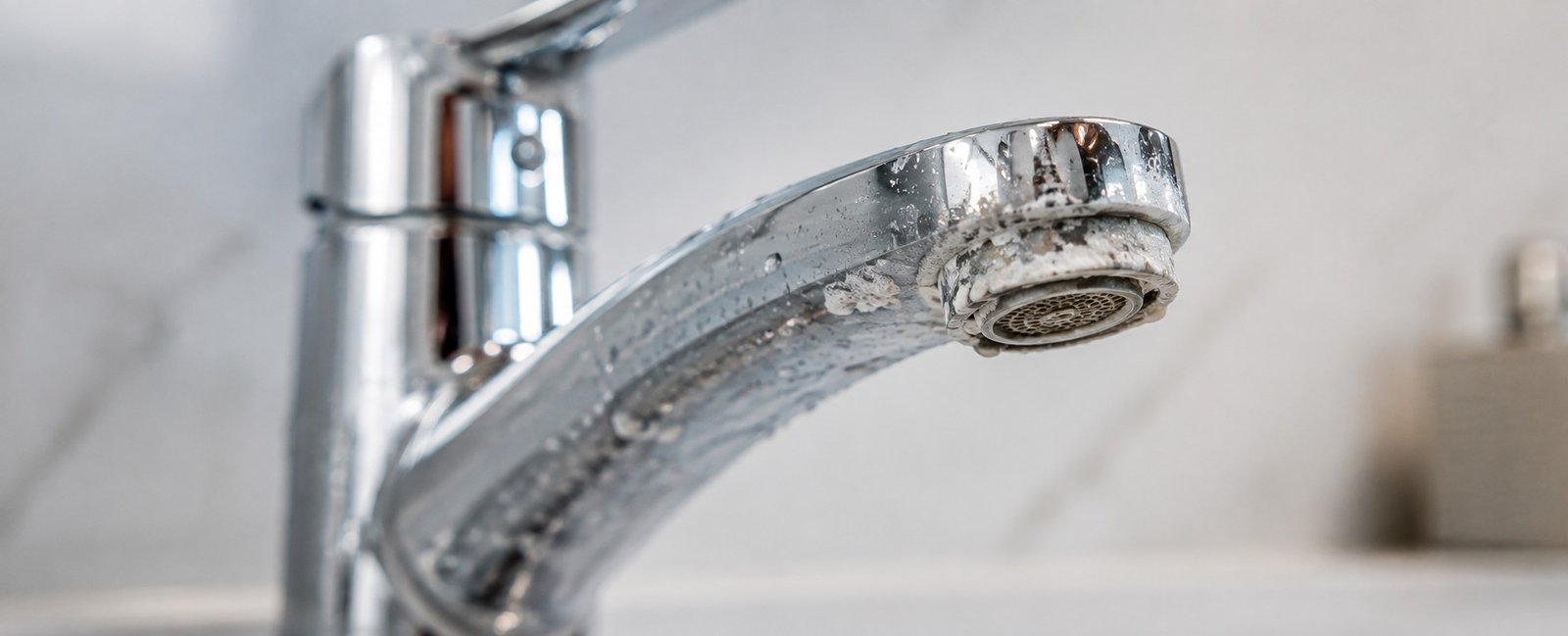
Why it matters: Saudi Arabia’s water, especially in areas relying on desalinated and groundwater sources, tends to be hard, meaning it carries a high mineral content. Over time, this mineral buildup clogs nozzles, dulls finishes, and can cause cheaper materials to corrode or discolor far faster than expected. Our full breakdown of brass vs. stainless steel faucets goes deeper into how each material performs specifically under Saudi water conditions, and the same principles apply directly to shower heads.
Material comparison:
- Stainless steel: Excellent resistance to corrosion and mineral buildup. Holds up well long term, though it’s usually the more expensive option.
- Brass with chrome or matte finish: A strong middle ground. Brass resists corrosion well, and a quality chrome or matte black finish adds durability against hard water staining.
- ABS plastic with chrome plating: The cheapest option, common in budget rain shower heads. The plating tends to wear and flake within a year or two under hard water conditions, especially with daily use.
Common mistake: Choosing a shiny, budget ABS plastic head because it looks identical to a brass one in photos. The difference only becomes obvious after a few months of hard water exposure.
Best practice: Look specifically for shower heads with silicone or rubber nozzles, sometimes marketed as “anti-lime” or “self-cleaning” nozzles. These let you simply rub away mineral deposits with a finger instead of needing to descale the whole head. Kanzotech’s shower head set range is built with this kind of hard water resistance in mind.
Size Guide: Matching Head Size to Your Bathroom
Why it matters: Size affects both how the shower looks and how strong the water flow feels, especially in homes without a booster pump.
- 6 to 8 inches: Best for smaller bathrooms and homes with low to moderate water pressure. Keeps flow feeling strong rather than diffused.
- 8 to 10 inches: The most common size for standard Saudi apartment and villa bathrooms with normal plumbing.
- 10 to 12+ inches: Best reserved for larger bathrooms with strong water pressure or a booster pump, typically found in newer luxury villas.
Practical tip: If you’re unsure, 8 inches is a safe, popular middle ground that works with most standard Saudi plumbing setups without needing a pressure upgrade.
Features Worth Paying For
Not every extra feature is worth the added cost, but a few genuinely make a difference in Saudi bathrooms specifically.
- Anti-lime silicone nozzles: Worth it in almost every case, given how hard the water is across most of the country.
- Adjustable shower arm: Useful for wall mounted heads, letting you angle the spray properly regardless of your height or shower layout.
- Dual function heads (rain plus handheld): A practical choice for families, since it keeps the rain function for relaxing showers while still allowing a handheld option for washing or cleaning the shower area. A quality shower hose is worth pairing with any dual function setup.
- Water saving flow restrictors: Genuinely useful given rising utility costs, without noticeably reducing how the shower feels.
- Thermostatic or temperature memory valves: A nice to have rather than a necessity, mostly relevant for shared bathrooms with multiple users who prefer different temperatures.
Comparison Table: Rain Shower Head Types

Step by Step Buying Checklist
- Test your current water pressure using the 1 liter fill method.
- Decide between wall mounted or ceiling mounted based on your plumbing and renovation plans.
- Choose a size that matches your pressure level, not just your bathroom size.
- Pick a material built for hard water, ideally brass or stainless steel.
- Confirm the head includes anti-lime silicone nozzles.
- Check for SASO certification and a clear warranty period.
- Decide if a dual function head suits your household better than a rain only head.
- Compare at least two to three options before buying.
- Confirm installation requirements match what your bathroom can support without major construction.
Common Installation Mistakes
Why it matters: Even a high quality rain shower head performs poorly if it’s installed incorrectly.
- Mismatched thread sizes: Not all shower arms use the same fitting standard. Confirm compatibility with your existing plumbing before buying, especially with imported brands.
- Wrong installation angle: Wall mounted heads need the correct downward angle from the arm. Too flat, and water sprays outward instead of down.
- Skipping plumber’s tape: A cheap, common fix that prevents leaks at the connection point, often overlooked in DIY installs.
- Ignoring wall or ceiling support: Larger heads, especially 10 inches and above, need proper anchoring. A head that’s too heavy for its mount can loosen or sag over time. A sturdy shower rod and shower cup setup can help support handheld attachments alongside a fixed rain head.
Best practice: For ceiling mounted installs specifically, hire a licensed plumber or contractor. The plumbing work involved is not a simple swap like a wall mounted head can be.
How to Maintain a Rain Shower Head in Hard Water Areas
- Wipe down the head after each use if possible, to reduce mineral film buildup over time.
- Soak the head in white vinegar for 30 to 60 minutes every 4 to 6 weeks to dissolve mineral deposits.
- Gently rub silicone nozzles with a finger during cleaning to clear blocked holes without needing tools.
- Consider a water softener for the whole bathroom line if you’re in a particularly hard water area and want to extend the life of all your fixtures, not just the shower head. If your faucet is already showing signs of no or low water flow, our guide on why water isn’t coming out of a faucet covers the same hard water issues in more detail.
Frequently Asked Questions
- What is the best rain shower head for low water pressure homes in Saudi Arabia? An 8 inch or smaller wall mounted rain shower head, ideally one specifically labeled for low pressure or high flow, works best for homes without a booster pump.
- Is a wall mounted rain shower head easier to install than a ceiling mounted one? Yes. A wall mounted rain shower head from the wall typically connects to existing plumbing with just an extended arm, while ceiling mounted versions require new pipework routed through the ceiling.
- Why are square rain shower heads more popular right now? Square rain shower heads match the clean, geometric look that’s become common in modern Saudi villa and apartment bathroom design, alongside matte black and brushed gold fixtures.
- Does hard water really damage rain shower heads that fast? Yes, especially with lower quality materials. ABS plastic with chrome plating can show visible wear and clogging within a year in areas with hard water, while brass and stainless steel last significantly longer.
- What size rain shower head works best for a standard Saudi apartment bathroom? Between 8 and 10 inches generally works well for standard apartment plumbing without needing a pressure upgrade.
- Can I install a rain shower head myself, or do I need a plumber? A wall mounted rain shower head is often simple enough for a confident DIYer, while a ceiling mounted installation almost always requires a licensed plumber due to the plumbing work involved.
- What does SASO certification mean for a shower head? SASO certification confirms the product meets Saudi Arabia’s official safety and quality standards, which is worth checking, especially when buying imported or online only brands.
- What’s the benefit of anti-lime silicone nozzles? They let you clear mineral buildup by simply rubbing the nozzles with a finger, instead of needing a full descaling soak every time flow starts to weaken.
- Should I choose a dual function rain and handheld shower head? If multiple people share the bathroom or you want flexibility for cleaning the shower itself, a dual function head is a practical choice that doesn’t sacrifice the rain shower experience.
- How is a rain shower head different from a standard shower mixer? A shower mixer controls water temperature and flow at the wall, while a rain shower head is the fixture that distributes that water across a wide, even spray. Many setups pair a single lever shower mixer with a separate rain head for full control.
Conclusion
Choosing the right rain shower head for a Saudi bathroom comes down to matching the product to your home’s actual water pressure and plumbing, not just picking the biggest or most attractive option in the store. A wall mounted head suits most existing bathrooms, a ceiling mounted one suits new builds with proper planning, and square designs are worth considering if your bathroom already leans toward a modern, minimalist look. Whatever you choose, prioritizing hard water resistant materials and anti-lime nozzles will save you money and frustration within the first year.
Your next steps:
- Test your home’s water pressure before shopping.
- Decide between wall mounted and ceiling mounted based on your plumbing setup.
- Shortlist two to three options in brass or stainless steel with anti-lime nozzles.
- Browse Kanzotech’s shower head sets and accessories or explore the full shop for matching mixers and fittings.
Not sure which rain shower head fits your bathroom and water pressure? Contact Kanzotech Faucets for guidance on the right fittings for your home or project.



 August 20, 2026
 HYZAM KENZ



Comments
No comments yet. Be the first to comment!