Introduction
If you’ve spent any time comparing kitchen faucets for a new build or renovation in Saudi Arabia, you’ve probably noticed wall mounted models showing up more often than they used to. They’re not new hospitals and commercial kitchens have used them for years. But they’re increasingly finding their way into villas, apartment kitchens, and hospitality projects across the Kingdom, driven in part by the wave of new-build residential and hospitality developments tied to Vision 2030.
At Kanzotech, we get asked about them often enough that we thought it was worth putting together a proper guide: what they are, where they make sense, what to look for before you buy, and how they compare to the deck mounted faucets most people are used to with the specific plumbing and layout considerations that matter for Saudi projects.
This isn’t a sales pitch for one style over another. Both have their place, and we’ll be upfront about the tradeoffs.
What Is a Wall Mounted Kitchen Faucet?
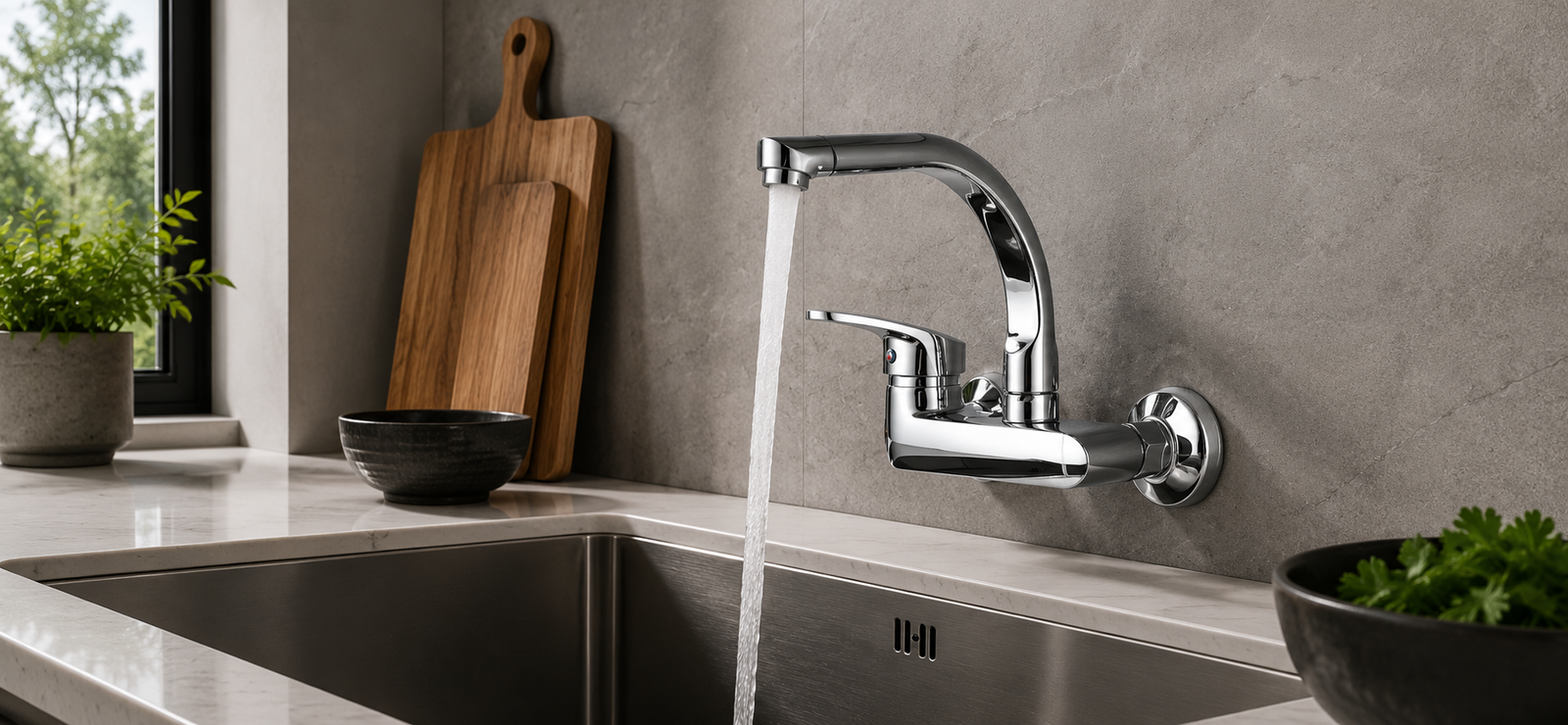
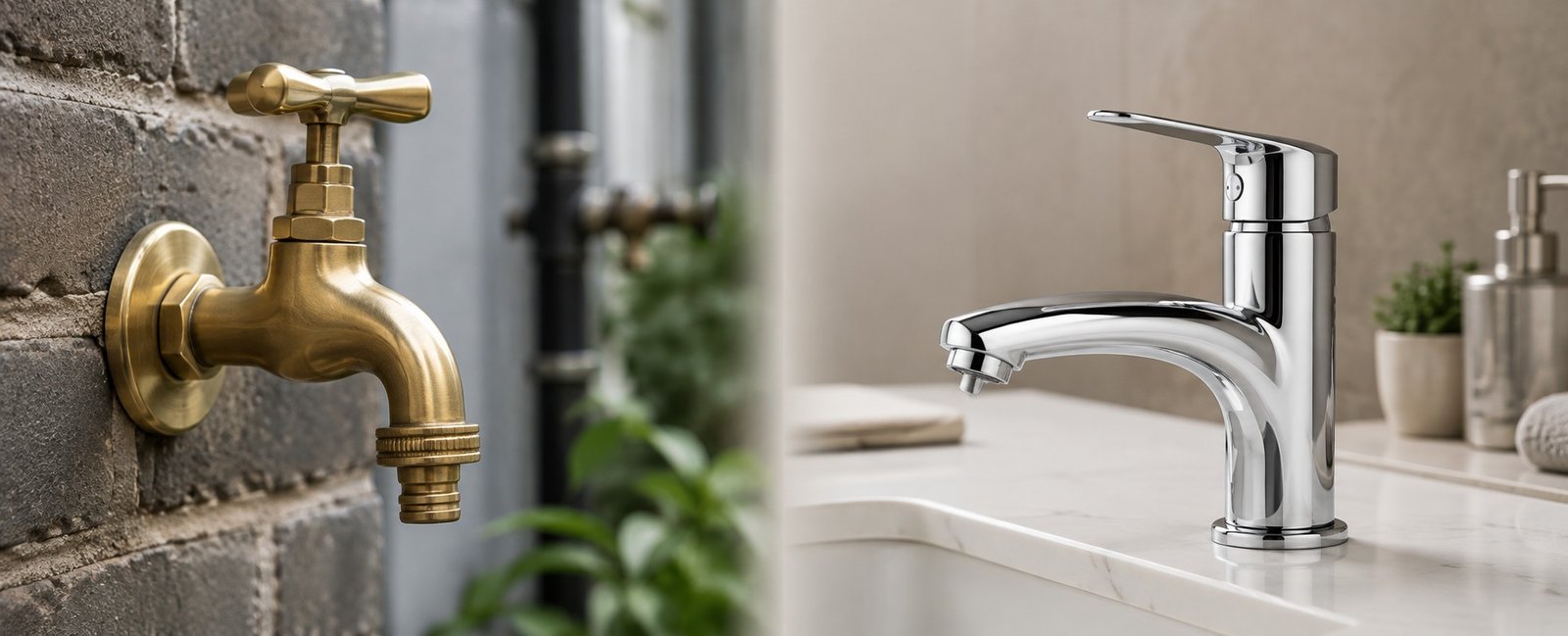
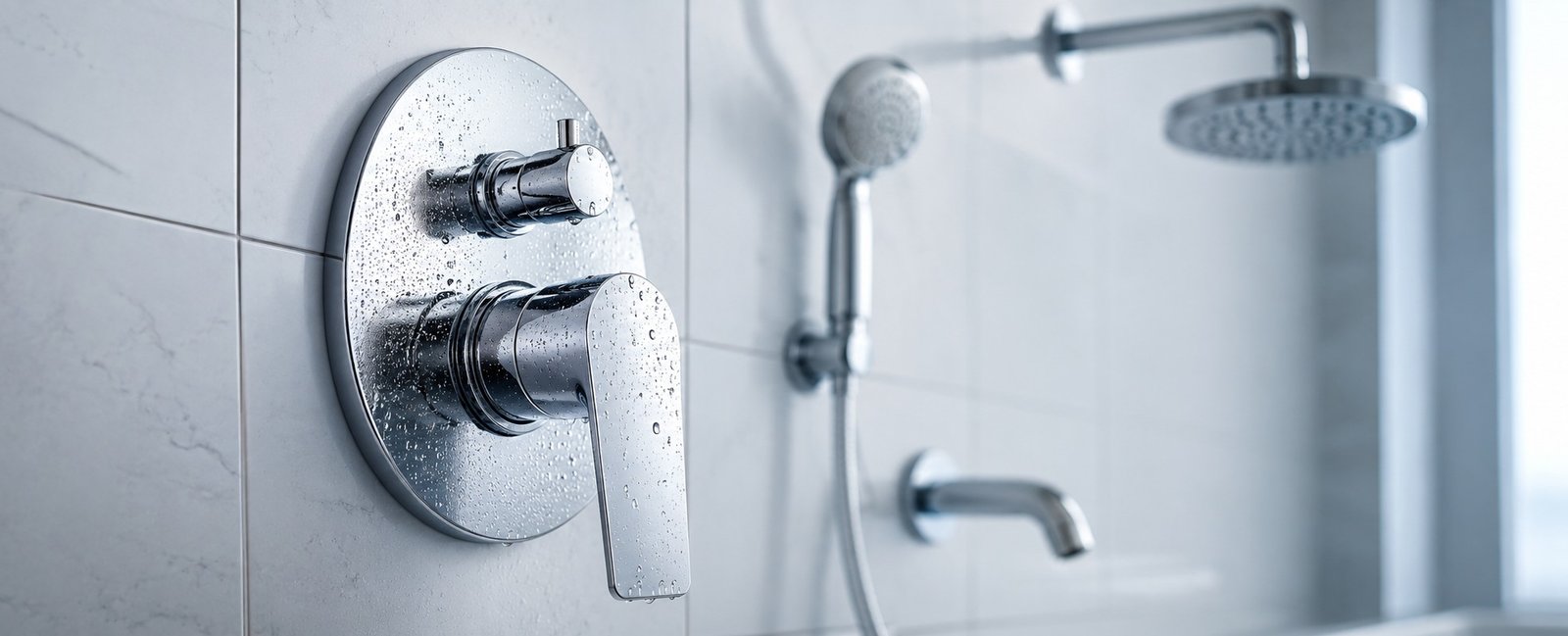
A wall mounted kitchen faucet is exactly what it sounds like. Instead of the faucet body sitting on the countertop or sink deck, it’s installed directly into the wall above the sink. The water supply lines run inside the wall rather than up through the counter, and only the spout, handle(s), and any spray attachment are visible above the basin.
This is a meaningful shift from how most kitchens are plumbed. A standard deck mounted faucet is installed with rough-in plumbing coming up from the floor or cabinet. A wall mounted faucet, on the other hand, needs supply lines routed and capped at a specific height inside the wall itself, typically before the wall is finished.
That difference matters more than it might seem. It affects your renovation timeline, your plumber’s scope of work, and how forgiving the installation is if something needs to change later.
Why Wall Mounted Faucets Are Gaining Ground in Saudi Kitchens
A few practical factors are driving the shift, and they’re worth understanding before you decide if this style fits your project.
More usable counter and sink space. With no faucet body taking up deck space, you get a cleaner sink area and slightly more usable counter real estate around it. That’s a genuine advantage in smaller kitchens, or in apartment units where every centimeter of counter space is planned around.
Easier cleaning around the sink. Without a faucet base sitting on the counter, there’s no gap or seam around the fixture where water, grease, and grime collect. Anyone who’s scrubbed around the base of a deck mounted faucet will appreciate this detail.
A cleaner, more architectural look. Wall mounted faucets read as more deliberate and modern. That’s part of why we’re seeing designers and developers specify them for higher-end villas and hospitality kitchens, the fixture becomes part of the wall design rather than an accessory bolted to the counter.
Practical for deep or oversized sinks. Farmhouse sinks, oversized basins, and certain undermount configurations can put a standard deck faucet at an awkward reach. Mounting the faucet on the wall lets you set the spout height and reach independently of the sink’s depth or lip.
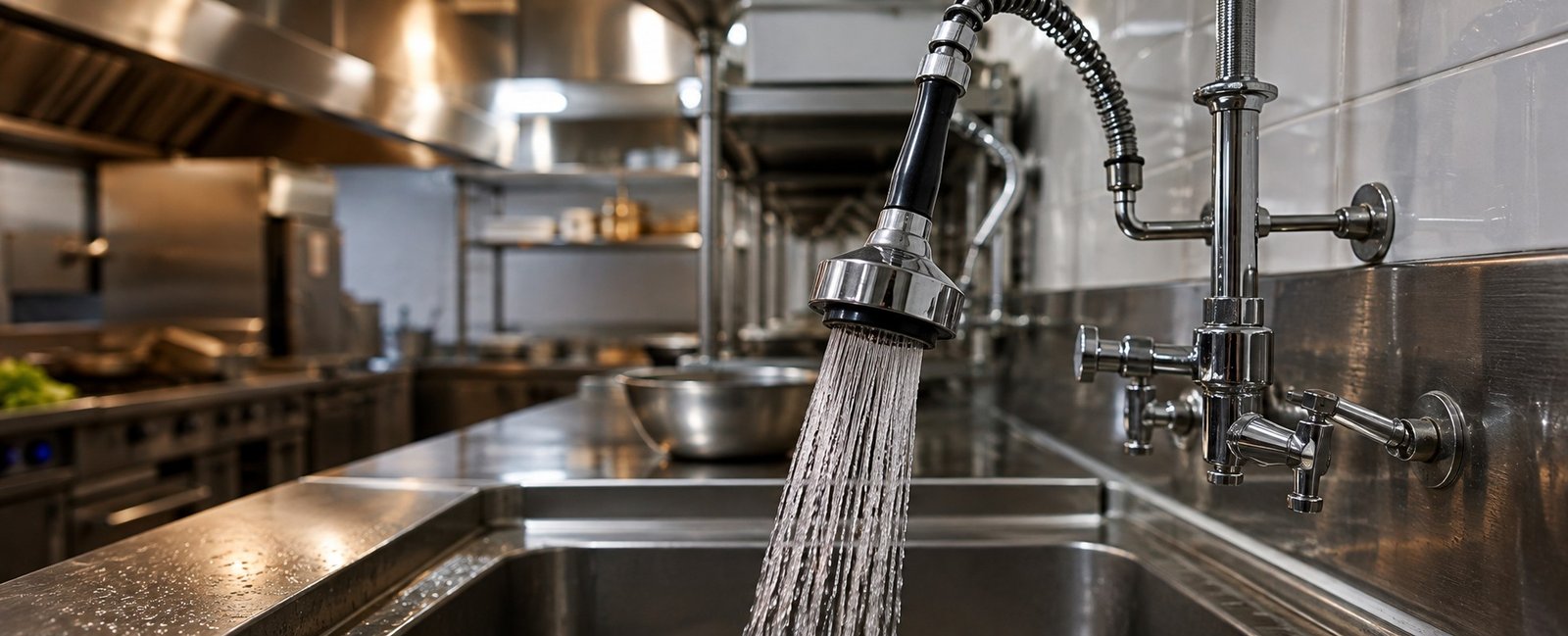
Common in commercial and semi-commercial kitchens. In restaurant, hotel, and institutional kitchens, high-volume rinsing and easy sanitation matter. Wall mounted faucets have long been the practical choice here, since they clear the deck entirely for food prep and equipment.
A natural fit for Saudi villa layouts. Many Saudi villas separate the main kitchen from a smaller “dirty kitchen” used for heavier prep, and often place the kitchen near the majlis or family living areas rather than at the back of the house. That layout gives architects more freedom to plan wall-mounted plumbing into the design from the start, since the rough-in decisions happen alongside the rest of the villa’s plumbing layout rather than being retrofitted into an existing wall.
None of this means wall mounted is automatically the better choice. It’s a different set of tradeoffs, and the right answer depends on your project.
Wall Mounted vs. Deck Mounted Kitchen Faucets: A Straight Comparison
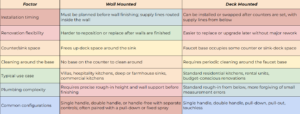
If you’re mid-renovation and the walls are already finished, deck mounted is almost always the more practical path. If you’re working from architectural drawings on a new build, wall mounted is worth serious consideration, but it has to be decided early. For more detailed comparison about Wall Mounted vs Deck Mounted faucets read our Comparison blog
What to Consider Before Choosing a Wall Mounted Kitchen Faucet
A few things we’d encourage any contractor, homeowner, or procurement team to think through before specifying wall mounted faucets for a project.
Rough-in height and reach. The spout height and horizontal reach from the wall need to be measured against your specific sink. Too short a reach and the water lands against the sink wall instead of the basin; too long and it can splash over the front edge. This isn’t something to eyeball, check it against your actual sink dimensions before the wall is closed up.
Wall support and blocking. The faucet body is anchored into the wall and takes on more direct load and torque than a deck faucet resting on a counter. That means the wall needs solid blocking behind the finished surface at the correct height, a detail your plumber or contractor needs to coordinate with whoever is framing or finishing the wall.
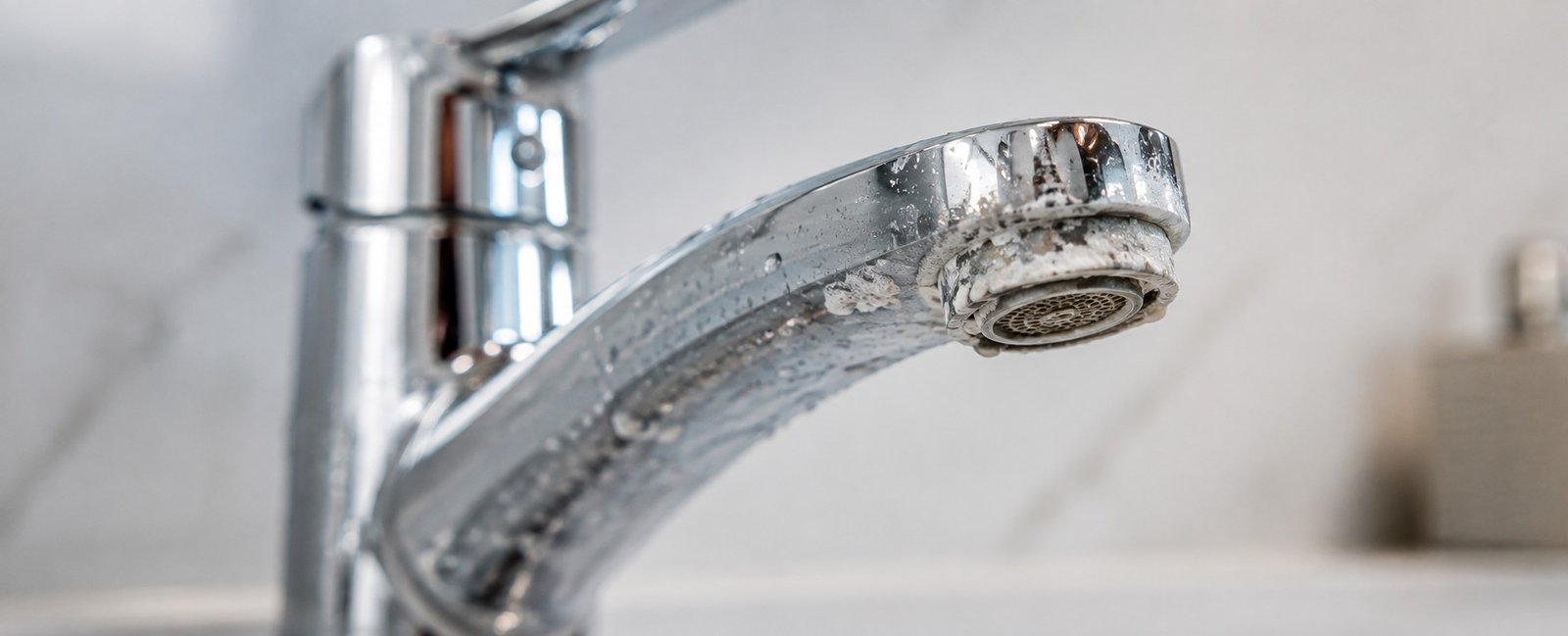
Access for future repairs. Since the valve body sits inside the wall, some models are designed with an access panel or removable trim in mind, while others assume the wall itself provides service access. Ask your supplier how the specific model handles maintenance access before installation, not after. This matters more with desalinated water supply, which can leave mineral and scale deposits inside valve bodies over time, if the valve isn’t easy to reach for inspection or descaling, a wall-mounted setup can turn a routine maintenance job into a wall-opening job.
Code compliance. Rough-in height, wall support, and supply line routing for wall-mounted fixtures should be checked against SASO product standards and Saudi Building Code (SBC) plumbing requirements, the same as any other fixture. This is a coordination point for your MEP consultant, not something to leave to the installer’s judgment on site.
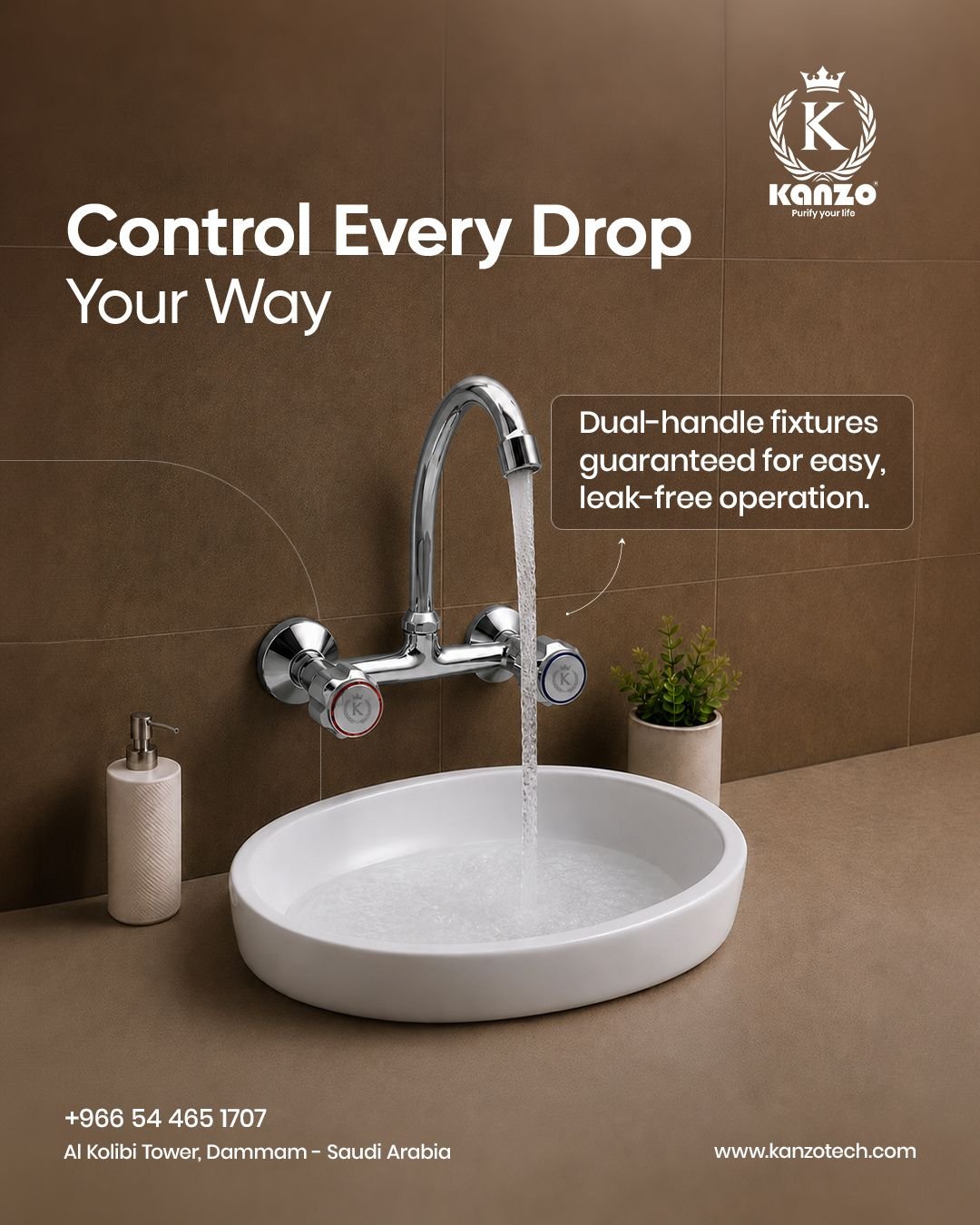
Single handle vs. double handle vs. handle-free. Wall mounted faucets come in a few handle configurations, each suited to slightly different kitchens and users. We go into this in more depth in our companion post comparing single and double handle wall mounted faucets.
Sprayer or no sprayer. Many wall mounted kitchen faucets pair the main spout with a separate wall mounted sprayer, which changes both the plumbing requirements and the practical function of the setup. We cover this in detail in our dedicated post on wall mounted faucets with sprayers.
Water pressure and flow requirements. Like any faucet, performance depends on adequate supply line pressure and diameter reaching the wall-mounted point. This is a plumbing design question your contractor or MEP consultant should confirm against the project’s supply layout.
Where Wall Mounted Faucets Make the Most Sense
Based on the kinds of projects we support, wall mounted kitchen faucets tend to be the right fit in a few recurring scenarios:
- New-build villas and residential developments, including the wave of Vision 2030-linked residential communities, where the plumbing rough-in can be planned around the fixture from the design stage rather than retrofitted
- Hospitality and F&B kitchens, where clearing the counter and easing cleanup around high-use prep and wash stations is a genuine operational benefit
- Farmhouse or oversized sink installations, where a wall mounted spout solves the reach and clearance issues that a deck faucet would struggle with
- Architecturally driven kitchen designs, where the faucet is meant to read as part of the wall rather than as a counter accessory
They tend to make less sense in fast-turnaround rental renovations, budget-driven retrofits where walls are already finished, or any project where future flexibility to swap fixtures without wall work is a priority.
Working With Kanzotech
Kanzotech has supplied faucets and building accessories to residential, commercial, and hospitality projects across Saudi Arabia. We work directly with contractors, MEP engineers, and procurement teams to match faucet selection, wall mounted or deck mounted, to the specific plumbing plan and project timeline, rather than defaulting to whatever’s easiest to source.
If you’re weighing wall mounted faucets for an active project, our team can walk through rough-in requirements, wall support specifications, and compatible sink configurations before you finalize your plumbing drawings. Reach out to discuss your project specifics.
Frequently Asked Questions
1.Are wall mounted kitchen faucets more expensive than deck mounted faucets?
Pricing varies by brand, finish, and configuration rather than by mounting style alone. The bigger cost consideration is usually installation, wall mounted faucets typically require more coordination between plumbing and wall-finishing trades, which can add labor time compared to a standard deck installation.
Can I install a wall mounted faucet in an existing kitchen without opening the wall? Generally, no. If the wall is already finished and doesn’t have supply lines routed to the correct height, retrofitting a wall mounted faucet means opening up the wall to run new plumbing. This is why wall mounted faucets are best planned during new construction or a full renovation, rather than a simple fixture swap.
Do wall mounted kitchen faucets work with all sink types? They work well with most sink types, but the spout height and reach need to be matched to your specific sink’s dimensions. This matters especially for deep, farmhouse, or oversized sinks, where reach and splash clearance need to be checked before installation.
How high should a wall mounted kitchen faucet be installed? The correct height depends on the sink depth and the specific faucet model’s reach, so this should be confirmed against manufacturer specifications and your actual sink dimensions rather than a standard measurement. Your plumber or contractor should verify this before rough-in.
Is a wall mounted faucet harder to repair than a deck mounted one? It depends on the model and how the wall was set up for access. Some are designed with a serviceable trim or access panel, while others rely on the wall itself providing access to the valve body. Confirm this with your supplier at the time of purchase, since it affects how straightforward future repairs will be.
This guide reflects general product and installation considerations for wall mounted kitchen faucets. Specific rough-in measurements, wall support requirements, and plumbing code compliance should always be confirmed with a licensed plumber or MEP engineer for your project. For product specifications and sourcing, contact the Kanzotech team.





 August 20, 2026
 HYZAM KENZ



Comments
No comments yet. Be the first to comment!